Free Meeting Agenda Templates for Google Docs
Streamline your meetings and keep everyone on the same page with our professionally designed agenda templates for Google Docs. Whether you're organizing a team meeting, a corporate event, or a personal project, our free, editable, and printable templates will help you stay organized and focused.
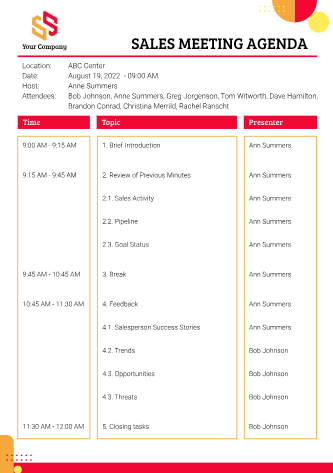
Sales Meeting Agenda
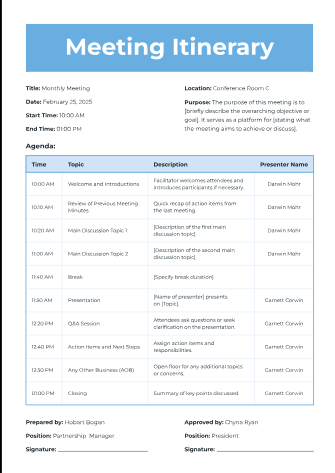
Meeting Itinerary
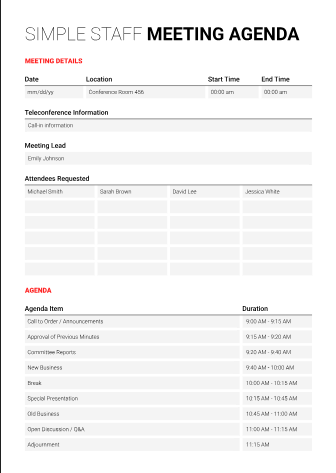
Staff Meeting Agenda
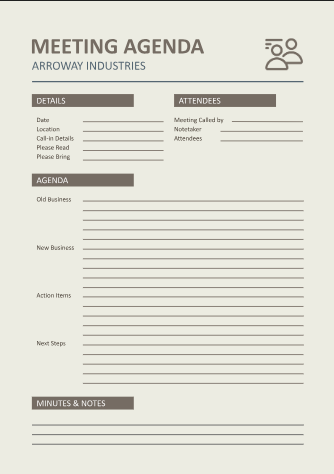
Team Meeting Agenda
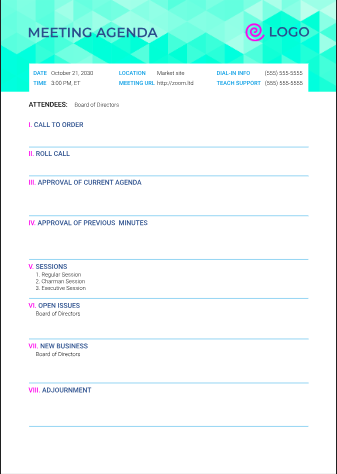
Board Meeting Agenda
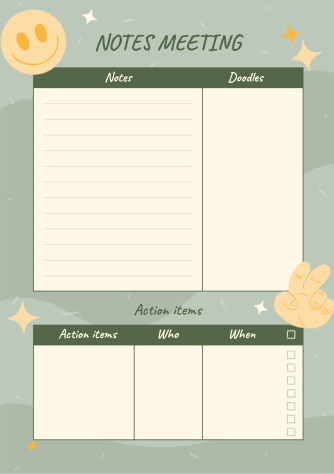
Fun Meeting Agenda
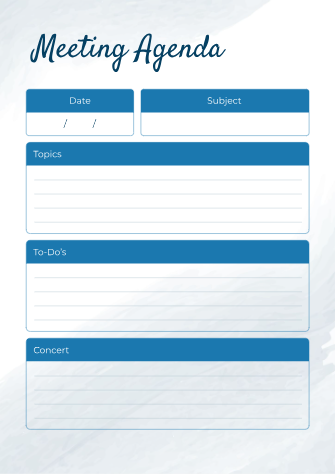
Manager Meeting Agenda
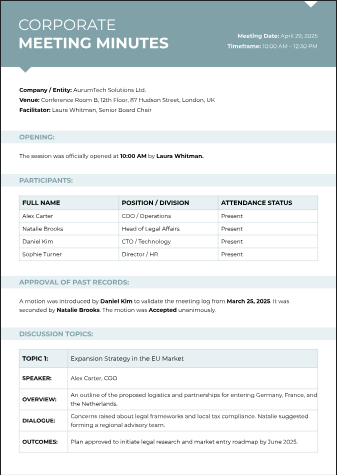
Corporate Meeting Minutes
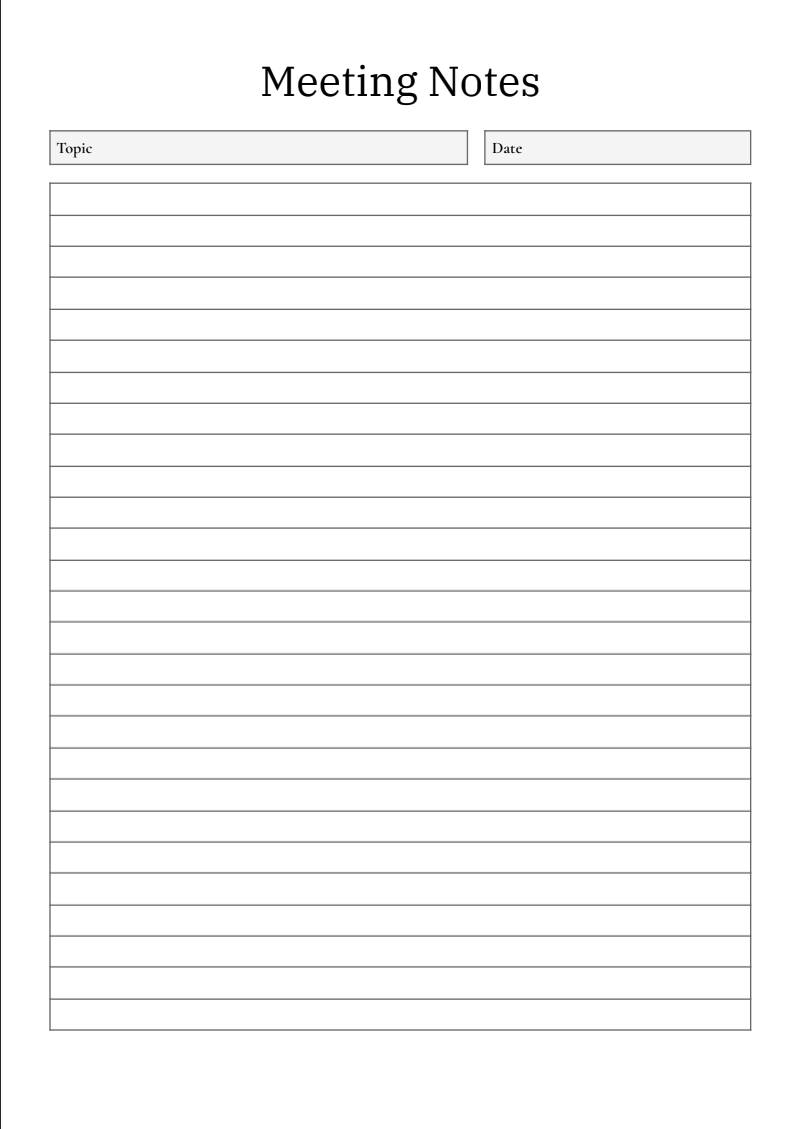
Customizable Meeting Notes
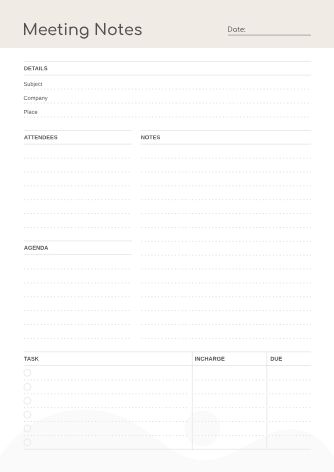
Meeting Notes Template
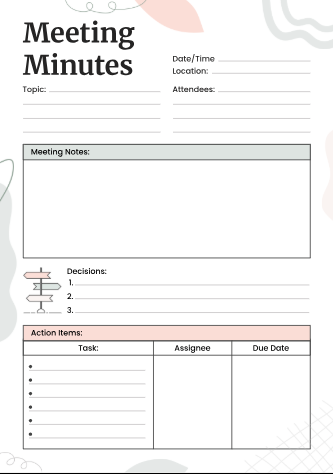
Meeting Agenda Template
The Ultimate Guide to Effective Meeting Agendas
In the fast-paced world of modern business, effective meetings are the cornerstone of productivity and collaboration. A well-structured meeting can drive projects forward, foster innovation, and ensure alignment across teams. At the heart of every successful meeting is a clear, concise, and actionable agenda. An agenda is more than just a list of topics; it's a roadmap that guides the conversation, allocates time efficiently, and sets clear expectations for all participants. Without one, meetings can easily derail, wasting valuable time and resources. This is where our comprehensive collection of Google Docs agenda templates comes in, designed to bring structure, clarity, and professionalism to your meetings.
Our agenda templates are crafted to cater to a wide array of needs, from formal board meetings to casual team huddles. They provide a solid framework that you can easily adapt to your specific requirements. By using a template, you eliminate the need to start from scratch, saving you time and ensuring that no critical component is overlooked. Each template is designed with a focus on usability and aesthetics, ensuring that your agendas are not only functional but also visually appealing. This attention to detail reflects a high level of professionalism and signals to participants that their time is valued.
Why a Well-Crafted Agenda is Non-Negotiable
An agenda serves several critical functions. Firstly, it provides a clear purpose for the meeting. When participants know what will be discussed, they can come prepared with relevant information, ideas, and questions. This preparation is key to a productive discussion. Secondly, an agenda helps with time management. By allocating specific time slots to each topic, you can ensure that the meeting stays on track and that all important items are covered. This is particularly crucial for longer or more complex meetings where the risk of veering off-topic is high.
Thirdly, an agenda promotes accountability. By listing action items and assigning responsibilities, an agenda transforms a discussion into a set of concrete tasks with clear ownership. This ensures that decisions made during the meeting are followed up on and implemented. Finally, a shared agenda fosters inclusivity. It gives all participants an equal opportunity to contribute and ensures that the conversation is not dominated by a few individuals. This collaborative approach leads to better decision-making and a stronger sense of team cohesion.